Buying guide
Off-Plan Handover in Dubai: How It Works and How to Check You Got What You Paid For
From the handover notice to your title deed, how to inspect a new home and hold the developer to the contract.
Buying guide
Off-Plan Handover in Dubai: How It Works and How to Check You Got What You Paid For
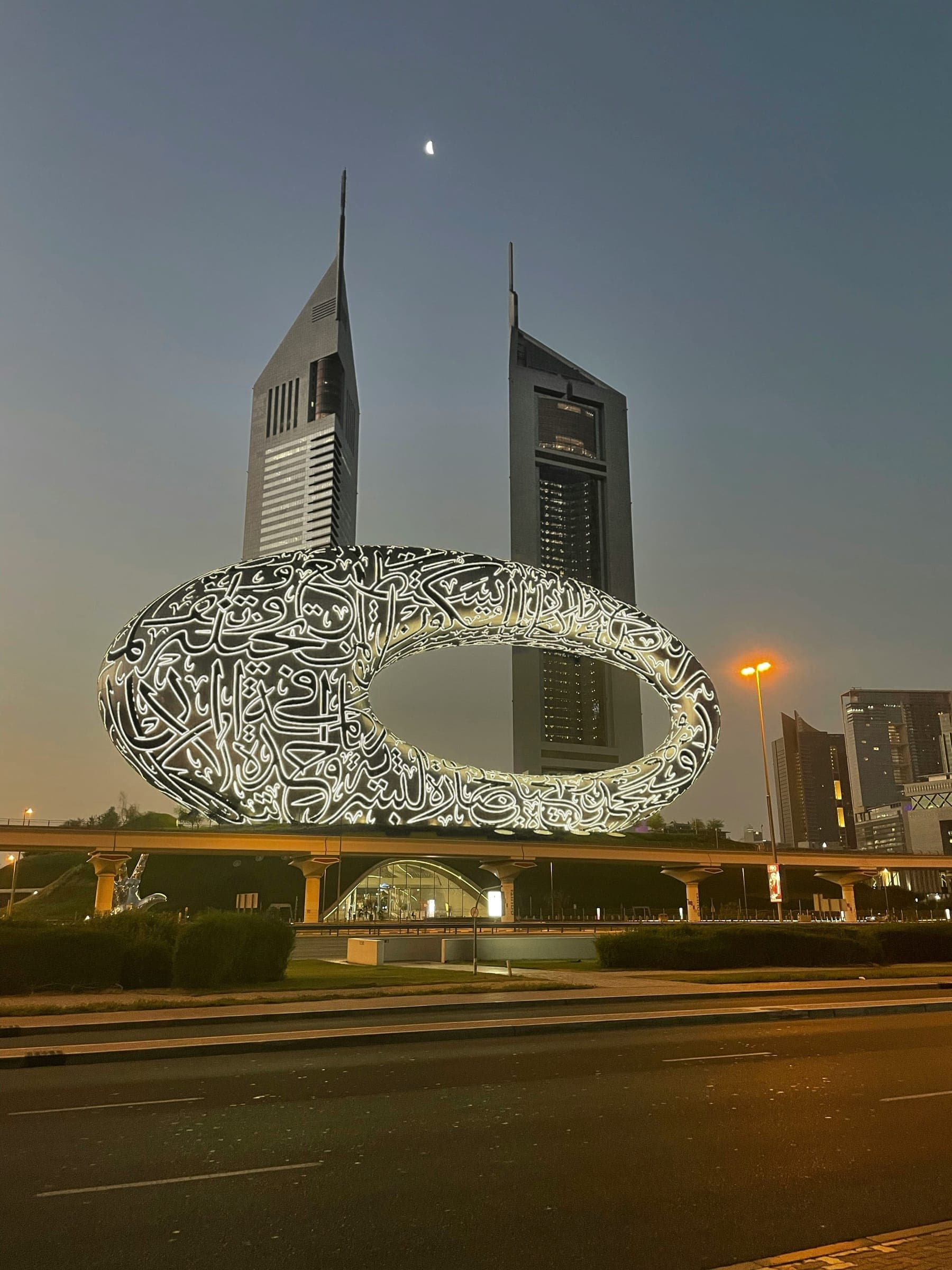
Museum of the Future, beside Sheikh Zayed Road. Photo: Garo Janboulian / Unsplash
From the handover notice to your title deed, how to inspect a new home and hold the developer to the contract.
By Staff Writer
Last reviewed
7 min read
Handover is the moment an off-plan purchase becomes a home. It is also your best chance to make sure the developer delivered what the contract promised, because problems are easiest to resolve before you sign and take the keys. This guide explains the steps and how to check the work.
How handover works
| Stage | What happens |
|---|---|
| 1. Completion | The building is finished and the project receives its completion certificate. You can follow progress on the Land Department’s project status service (Dubai Land Department, opens in a new tab). |
| 2. Handover notice | The developer writes to you with the final amount due, the fees and the handover steps. |
| 3. Final payment | You pay the last instalment and handover charges, or your bank pays if you are using a handover mortgage. |
| 4. Inspection | You or a professional snagging inspector check the home and list any defects. |
| 5. Keys and utilities | You sign the handover documents, receive the keys and set up electricity, water and cooling in your name. |
| 6. Title deed | Your interim (Oqood) registration under the interim register law (Dubai Legislation Portal, opens in a new tab) is converted into a title deed. You can verify the title deed (Dubai Land Department, opens in a new tab) online. |
Did you get what you were promised?
The legal promise is your sales agreement and its attachments: the floor plan, the area, the specification or schedule of finishes, and the handover date. Brochures and show apartments are marketing unless the contract refers to them. Before handover, gather the documents and check the home against them, line by line.
- Area: compare the final area with the contract, and read the tolerance clause for differences.
- Layout: rooms, balcony, windows and doors where the plan shows them.
- Finishes: flooring, kitchen, bathrooms, wardrobes and appliances as listed in the specification.
- View and floor: the unit number, floor and orientation you bought.
- Parking: the number of spaces and their allocation, if included.
- Shared amenities: the pool, gym and other facilities promised for the building, and whether they are open.
- Furniture: for furnished apartments, the package listed in the contract.
The snagging inspection
A professional snagging company typically checks hundreds of items with moisture meters, thermal cameras and electrical testers. Common findings include:
- Cracks, uneven walls or tiles, and paint defects.
- Water leaks, poor drainage, and weak seals around showers, windows and doors.
- Electrical faults, missing earthing or sockets that do not work.
- Air-conditioning that does not cool evenly, and noisy or misaligned units.
- Doors, windows and wardrobes that do not close properly.
Give the developer the snagging list in writing and keep a copy. Agree which items will be fixed before you take the keys and which after, with dates. Inspect again once the work is done.
Your protection after handover
Dubai law gives you protection beyond the handover day. Under Law No. 6 of 2019 on jointly owned property (Dubai Legislation Portal, opens in a new tab), the developer must remedy structural defects for ten years from the project’s completion certificate, and repair or replace defective installations for one year from the handover of your unit, including electrical, mechanical, plumbing and drainage work. Report defects in writing as soon as you find them.
Your payments before handover were protected too: buyer money for a registered project goes into an escrow account, as explained in our escrow guide. If a dispute cannot be settled with the developer, the Real Estate Regulatory Agency and the courts are the routes to resolve it, and our buyer rights guide covers what you are entitled to.
Handover day checklist
- Bring the sales agreement, the specification, the floor plan and your payment receipts.
- Do not sign that the unit is accepted without listing the defects you found.
- Photograph and video every room, with the date.
- Collect all keys, access cards and parking tags, and test them.
- Take meter readings for electricity, water and cooling.
- Ask for warranty documents for appliances and air-conditioning.
- Note when the service charge starts and get the owners' association contact.
Frequently asked questions
How does off-plan handover work in Dubai?
When the building is complete, the developer sends a handover notice. You pay the final instalment and handover fees, inspect the home (the snagging inspection), sign the handover documents and receive the keys. Your interim (Oqood) registration is then converted into a title deed.
What is snagging?
Snagging is a detailed inspection of a new home before you accept it, to find defects such as cracks, leaks, poor finishes, faulty electrics or missing items. You give the list to the developer, who fixes the items before or soon after handover.
What if the developer did not deliver what was promised?
Compare the home with your sales agreement and its schedule of finishes, not the brochure. Record every difference in writing before you sign the handover. If the developer will not resolve a breach of contract, you can raise it with the Real Estate Regulatory Agency or take legal advice.
How long is the developer responsible for defects?
Under Dubai's jointly owned property law, the developer must fix structural defects for ten years from the project's completion certificate, and repair or replace defective installations, such as electrical, mechanical and plumbing work, for one year from the handover of your unit.
Can the apartment be smaller than in my contract?
Final areas can differ slightly from the plan. Your sales agreement normally sets a tolerance and what happens if the difference is larger, such as a price adjustment. Check that clause before handover and compare the final area on your title deed.
Sources
- Law No. (6) of 2019 Concerning Ownership of Jointly Owned Real Property in the Emirate of Dubai (opens in a new tab)Dubai Legislation Portal. Checked 23 September 2026.
- Law No. (13) of 2008 Regulating the Interim Real Property Register in the Emirate of Dubai (opens in a new tab)Dubai Legislation Portal. Checked 23 September 2026.
- Project status enquiry (Mashrooi) (opens in a new tab)Dubai Land Department. Checked 23 September 2026.
- Verify title deed (opens in a new tab)Dubai Land Department. Checked 23 September 2026.
- Law No. (8) of 2007 Concerning Escrow Accounts for Real Estate Development in the Emirate of Dubai (opens in a new tab)Dubai Legislation Portal. Checked 23 September 2026.
This guide has been prepared by SkyBuild Real Estate for general information only. It is not investment, legal, tax or financial advice, and should not be relied on as the sole basis for a transaction decision. Rules, fees and eligibility criteria change. Confirm current requirements with the relevant authority, and take independent professional advice on your own circumstances. Sources were checked on the dates shown.
A considered next step
Discuss the property, not just the headline.
Related guides
Buying guide
Dubai Off-Plan Property Buyer’s GuideBuyer guide
Your Rights as a Property Buyer in DubaiOff-plan guide
Escrow Accounts in Dubai: How Off-Plan Payments Are Protected