Market insight
Beyond ADIA and Mubadala: A Map of the UAE's Capital
Sovereign funds are only one door. Here is how the UAE's state, family, private and banking capital fits together, and why it matters for property.
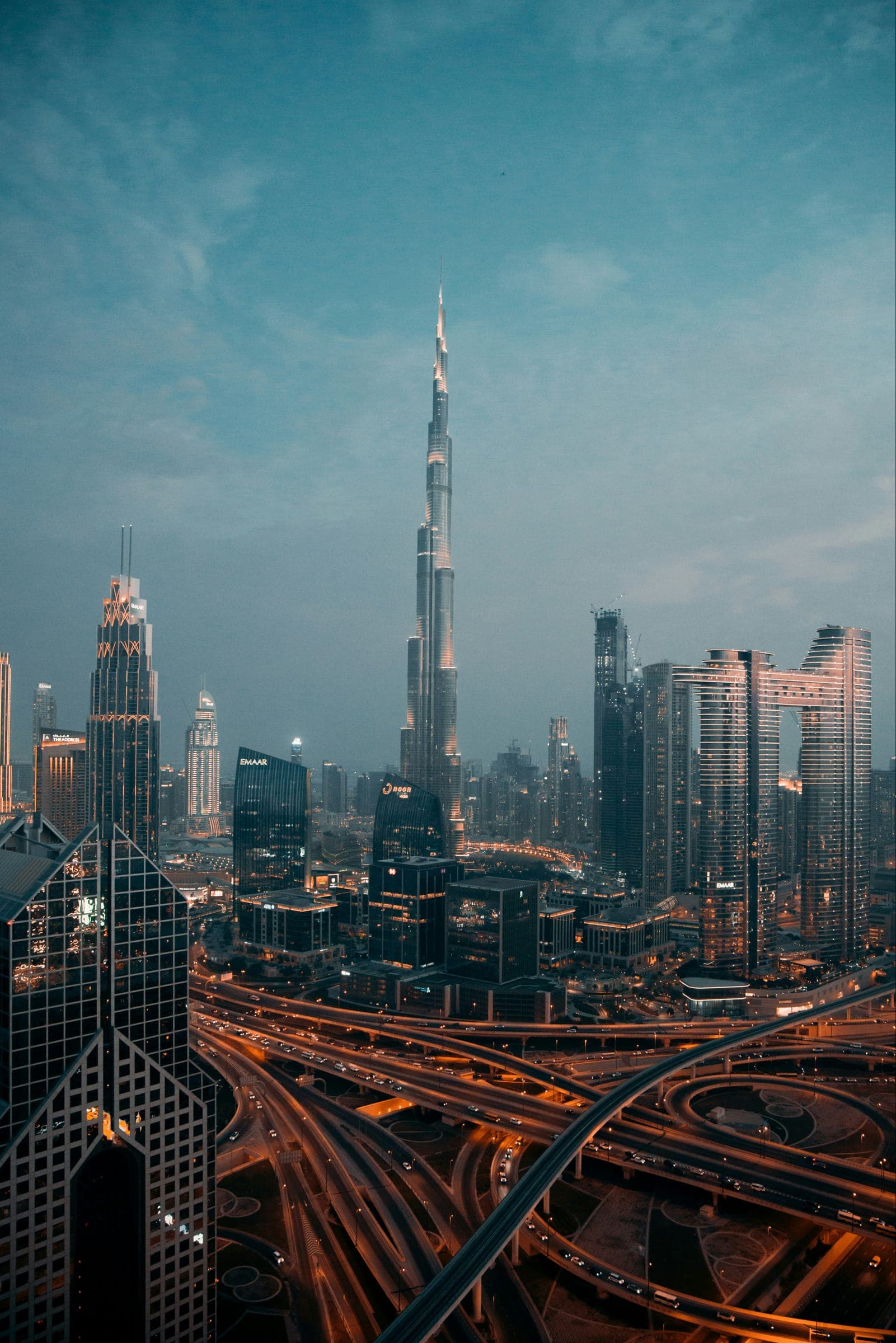
Sovereign funds are only one door. Here is how the UAE's state, family, private and banking capital fits together, and why it matters for property.
By Staff Writer
Last reviewed
6 min read
The UAE’s two best-known sovereign investors, ADIA and Mubadala, manage about US$1.5 trillion between them. They are only the start. Behind them sits a layered system of state holding companies, government-linked champions, family conglomerates, private equity and venture funds, and the banks that tie it all together. For anyone investing in the country, including in its property, it helps to know who is who.
Sovereign and state capital
| Investor | What it is | Size |
|---|---|---|
| ADIA (Abu Dhabi Investment Authority) | Abu Dhabi’s global long-term investor. It does not publish its size. | About US$1.13 trillion, a Global SWF estimate (Global SWF, opens in a new tab) for the end of 2025 |
| Mubadala | Abu Dhabi’s strategic investment company, active in the UAE and worldwide. | About US$385 billion (AED 1.4 trillion), as reported for 2025 (Mubadala, opens in a new tab) |
| L’IMAD and ADQ | Abu Dhabi holding companies. ADQ’s assets are being consolidated under L’IMAD (The National, opens in a new tab), with stakes in ports, rail, utilities, health and real estate. | ADQ was reported at about US$263 billion before the merger |
| Emirate-level holding companies | Investment Corporation of Dubai, Dubai Holding and the holding companies of the other emirates. | Varies |
Government-linked champions
Many of the UAE’s largest companies are state-linked operating businesses rather than funds: energy (ADNOC, TAQA, ENOC), ports and logistics (DP World, AD Ports), technology (G42, e&), utilities (DEWA) and real estate (Emaar, Aldar). They invest heavily at home and abroad, and they shape the cities their employees live in.
Property is part of this picture. In May 2026 Dubai Holding became Emaar’s largest shareholder (Dubai Media Office, opens in a new tab) after taking over the Investment Corporation of Dubai’s 22.27% stake, adding to a group that already includes Nakheel, Meydan and Dubai Properties.
The trading families and conglomerates
Long before the sovereign funds, the UAE’s economy was built by merchant families, and their groups remain some of the most important private investors in the region. Names such as Al-Futtaim, Majid Al Futtaim, Al Ghurair, Al Tayer, Al Rostamani, Al Habtoor, Juma Al Majid and Lootah span retail, cars, construction, hospitality and real estate. For a founder or a fund, a family group can be a faster and more flexible partner than a state investor.
Private equity, asset managers and venture
- Regional private equity and asset managers, such as Investcorp, Gulf Capital, Waha Capital and Lunate, alongside global firms with UAE offices.
- A fast-growing venture layer, from Abu Dhabi's Hub71 ecosystem to Dubai-based funds that back regional start-ups.
- Mubadala Capital and other manager platforms that take third-party money as well as state capital.
The banks that tie it together
The UAE’s core banks, including First Abu Dhabi Bank, Emirates NBD, Abu Dhabi Commercial Bank, Mashreq, Dubai Islamic Bank and Abu Dhabi Islamic Bank, finance companies, governments and households. For property buyers they are also the mortgage lenders. Our mortgage guide sets out the Central Bank’s lending limits.
What it means if you are buying property
A market backed by long-term capital can build at a scale few cities match: metro lines, Etihad Rail, airport expansion and whole new districts. That is part of the case for Dubai property set out in our guide to whether Dubai property is a good investment. It does not remove the need to check each purchase: the developer, the project registration, the escrow account and the price against registered sales.
Frequently asked questions
How much do ADIA and Mubadala manage?
About US$1.5 trillion between them. ADIA does not publish its size; Global SWF estimates it at about US$1.13 trillion at the end of 2025. Mubadala reported assets under management of about US$385 billion (AED 1.4 trillion) for 2025.
What is L'IMAD?
L'IMAD Holding is an Abu Dhabi state investment company. In January 2026 Abu Dhabi announced that the assets and investments of ADQ would be consolidated under L'IMAD, creating one of the emirate's largest investment platforms.
Who owns Dubai's biggest property developers?
Several are linked to the state. Dubai Holding became Emaar's largest shareholder in May 2026 after taking over the Investment Corporation of Dubai's 22.27% stake, and its group also includes Nakheel, Meydan and Dubai Properties. In Abu Dhabi, Aldar and Modon are major listed and state-linked developers.
Why does the UAE's capital base matter for property buyers?
Deep, long-term capital funds the infrastructure, master communities and banks that a property market depends on. It does not guarantee prices, but it is one reason the UAE can build roads, rail, airports and new districts at scale.
Sources
- ADIA faces a tougher test as alternatives expand (opens in a new tab)Global SWF. Checked 23 October 2026.
- Strong performance by UAE portfolio drives Mubadala's growth in 2025 (opens in a new tab)Mubadala. Checked 23 October 2026.
- Abu Dhabi to consolidate assets of ADQ under L'imad (opens in a new tab)The National. Checked 23 October 2026.
- Dubai Holding and ICD announce completion of strategic transaction in Emaar Properties (opens in a new tab)Dubai Media Office. Checked 23 October 2026.
- Regulations Regarding Mortgage Loans (opens in a new tab)Central Bank of the UAE Rulebook. Checked 23 September 2026.
This guide has been prepared by SkyBuild Real Estate for general information only. It is not investment, legal, tax or financial advice, and should not be relied on as the sole basis for a transaction decision. Rules, fees and eligibility criteria change. Confirm current requirements with the relevant authority, and take independent professional advice on your own circumstances. Sources were checked on the dates shown.
A considered next step